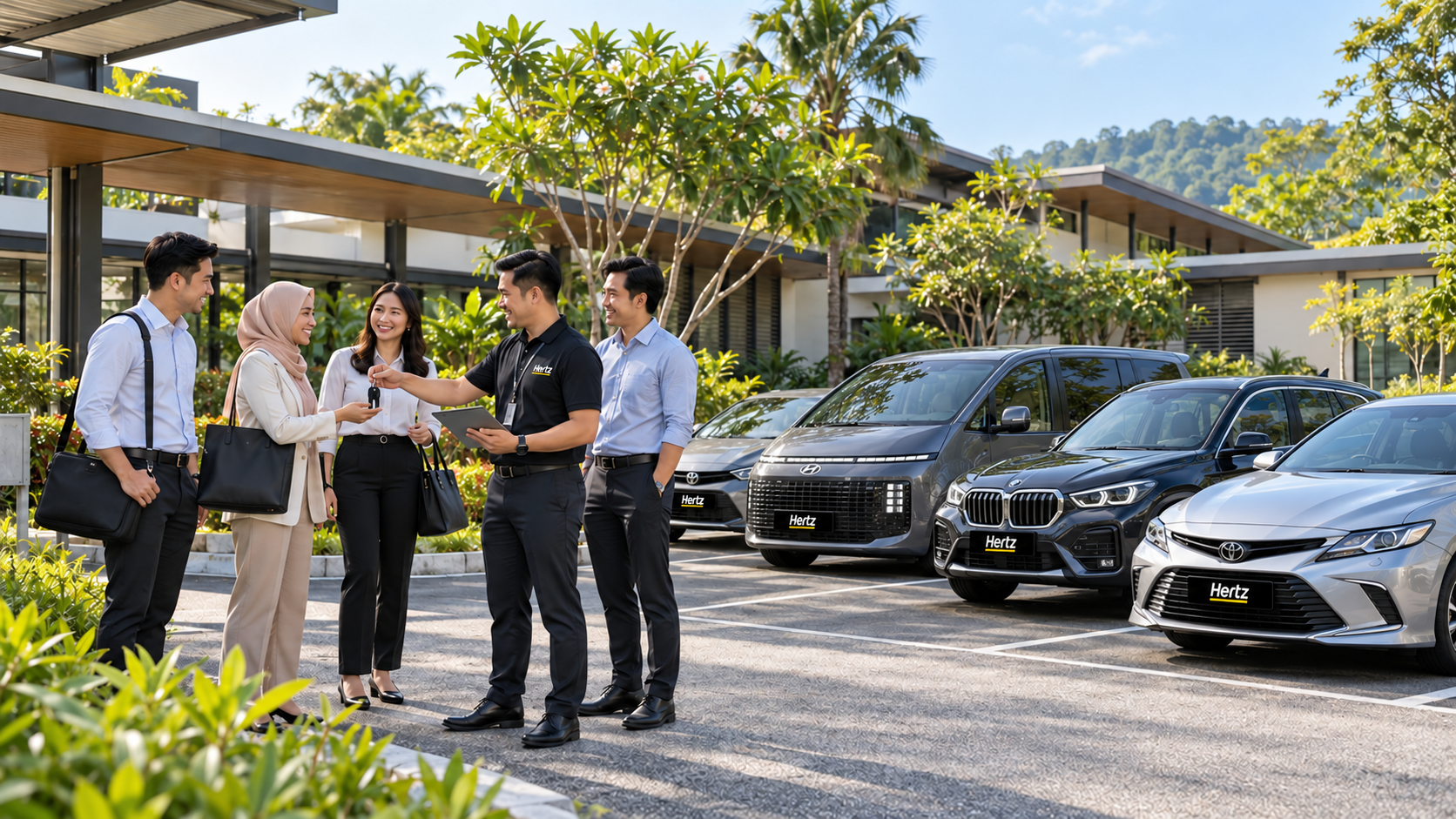
Hiring more employees is usually a positive sign for a business. However, as the team grows, its mobility requirements may also change.
More sales representatives may need to attend customer meetings. A new operations team may need to travel between locations. Additional employees may be assigned to project sites, branches or regional territories.
Fleet planning for a growing business should therefore begin with a practical question: Does the company have enough suitable vehicles to support how the team works today?
Signs Your Current Fleet May Not Be Keeping Up
A growing headcount does not automatically mean that every new employee needs a dedicated vehicle. However, recurring transport difficulties may indicate that the current fleet capacity should be reviewed.
Watch for signs such as:
- Employees frequently waiting for a vehicle to become available
- Customer meetings being scheduled around vehicle availability
- Teams regularly sharing vehicles despite having different destinations
- Frequent last-minute transport requests
- Employees using unsuitable vehicles for passengers, luggage or equipment
- Increased travel between branches, customer locations or project sites
- Vehicles being used continuously with little room for servicing or downtime
- Managers spending more time coordinating vehicle schedules
- New employees being unable to perform travel-related duties immediately
One isolated issue may not require a fleet change. When the same problems happen regularly across several teams, the business may need additional capacity or a different vehicle allocation plan.
Understand How Business Growth Changes Vehicle Demand
Headcount is only one part of fleet planning. Vehicle demand is influenced by employee roles, travel frequency, operating locations and daily schedules.
Ask these simple questions:
|
Question |
What to check |
|
Who needs to travel? |
Who needs a vehicle every day and who only needs one sometimes? |
|
Why do they need it? |
For customer visits, site work, deliveries or temporary assignments? |
|
Where will they travel? |
Which work locations, routes and regions are involved? |
|
How often will they travel? |
Is the need daily, weekly, seasonal or occasional? |
|
How many people or items will travel? |
What vehicle size is suitable? |
|
How long is it needed? |
Is the need temporary or ongoing? |
Choose vehicles based on the work
Choose a vehicle based on the work the employee needs to do, not only on job title. This makes vehicle decisions clearer and more consistent.
|
Work requirement |
What to consider |
|
City customer visits |
A practical vehicle that is easy to drive and park. |
|
Long-distance travel |
Journey distance, luggage space and driver comfort. |
|
Project or site work |
Road conditions, equipment and passenger numbers. |
|
Shared team use |
Whether employees can book one shared vehicle when needed. |
|
Executive or guest travel |
Passenger comfort, presentation and whether a chauffeur is needed. |
This approach helps the business identify suitable vehicle categories based on operational use, subject to availability, instead of selecting models before the requirement is fully understood.
Keep Your Fleet Aligned with Your Team
A company fleet should support the way employees work. As the business expands, reviewing vehicle capacity can help prevent transport limitations from becoming operational problems.
Start by examining current utilization, identifying recurring vehicle shortages and understanding how new roles or locations will affect demand. The next step is to prepare a clear requirement based on actual business activity.
Discuss Your Growing Fleet Requirements
Is your team expanding or are employees finding it harder to access suitable vehicles?
Speak with Hertz Malaysia about your company’s vehicle requirements. Call +603-7650 8100 to discuss your team size, operating locations and mobility needs with our team.
Vehicle availability, rates, included services and contract terms are subject to discussion and confirmation by Hertz Malaysia.
